Where can I install adhesive vinyl?
Recommended surfaces
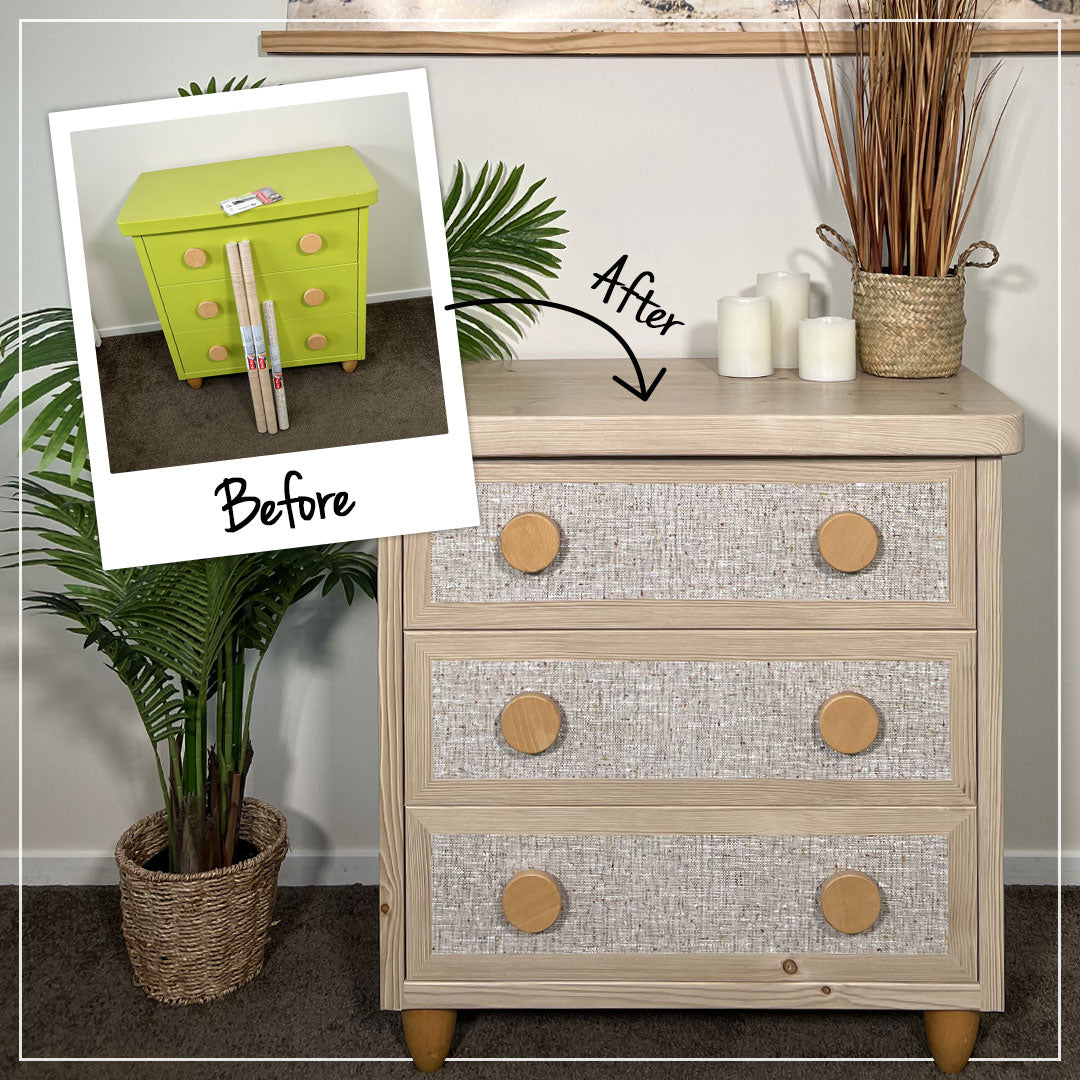
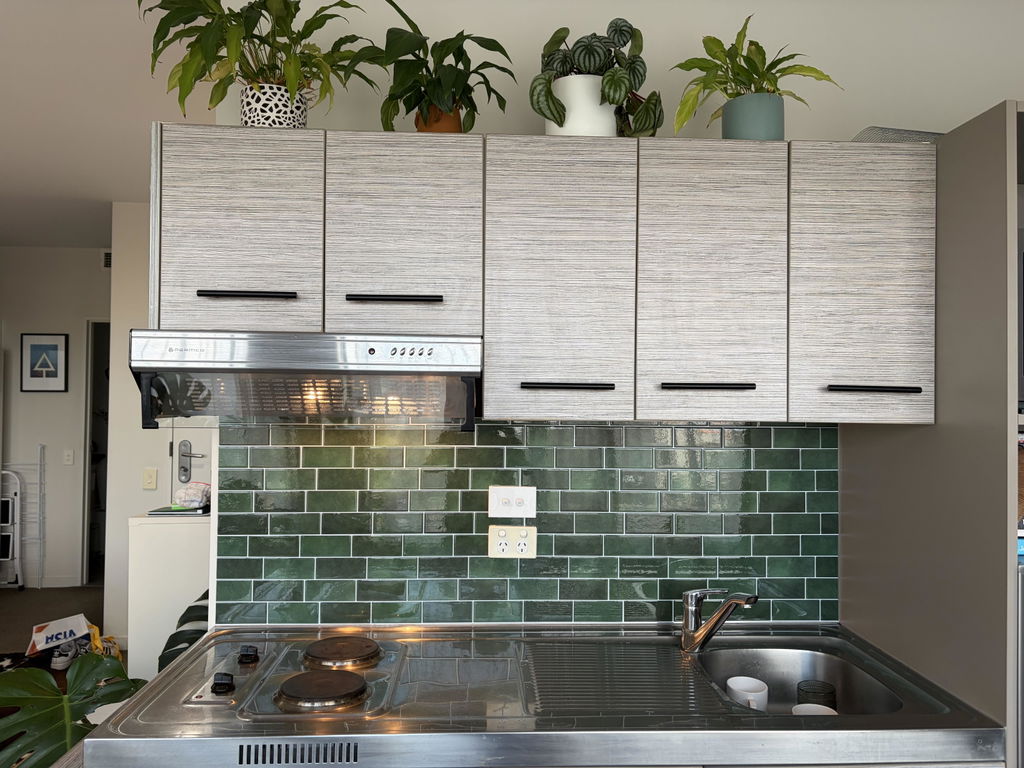
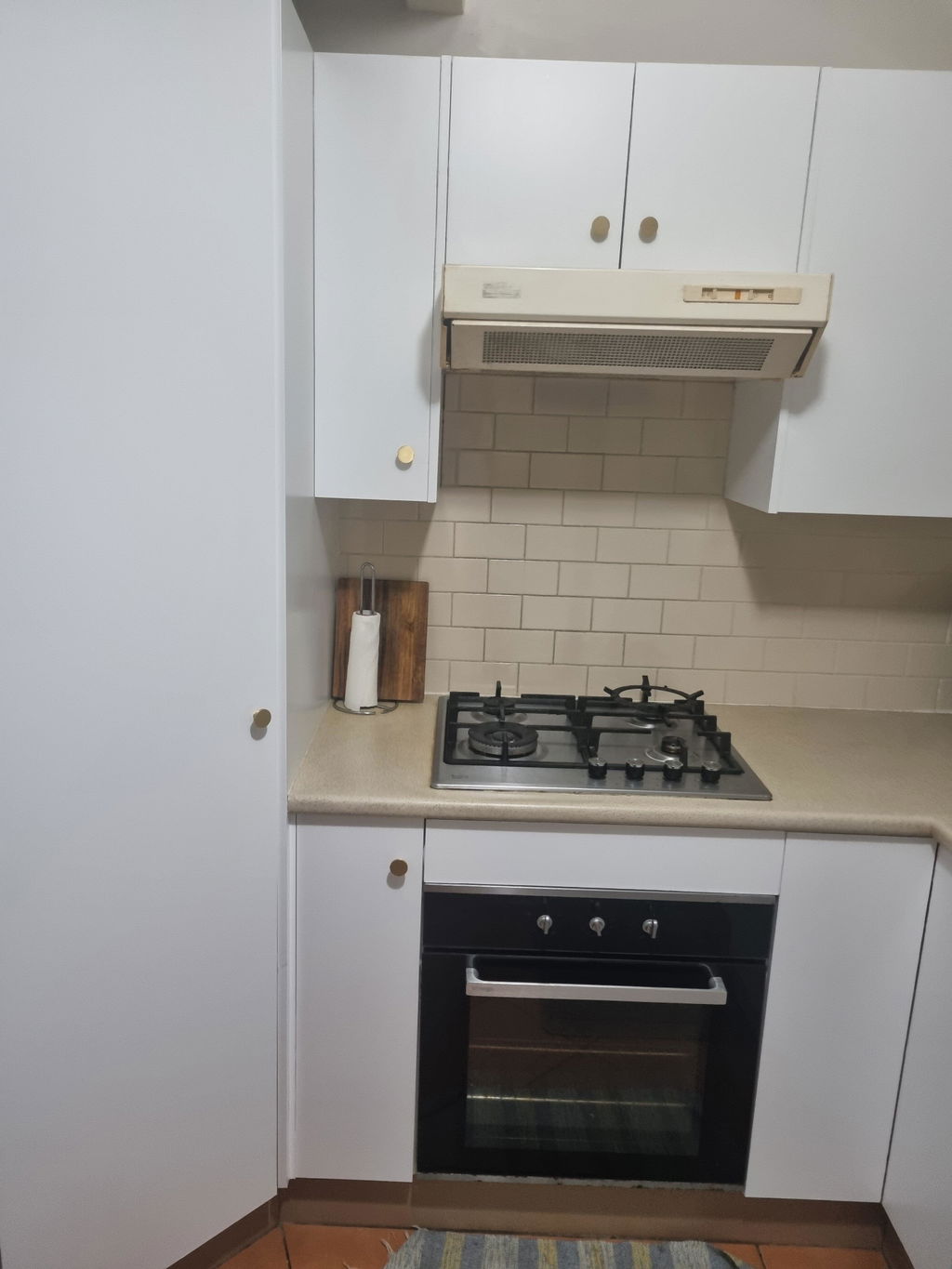
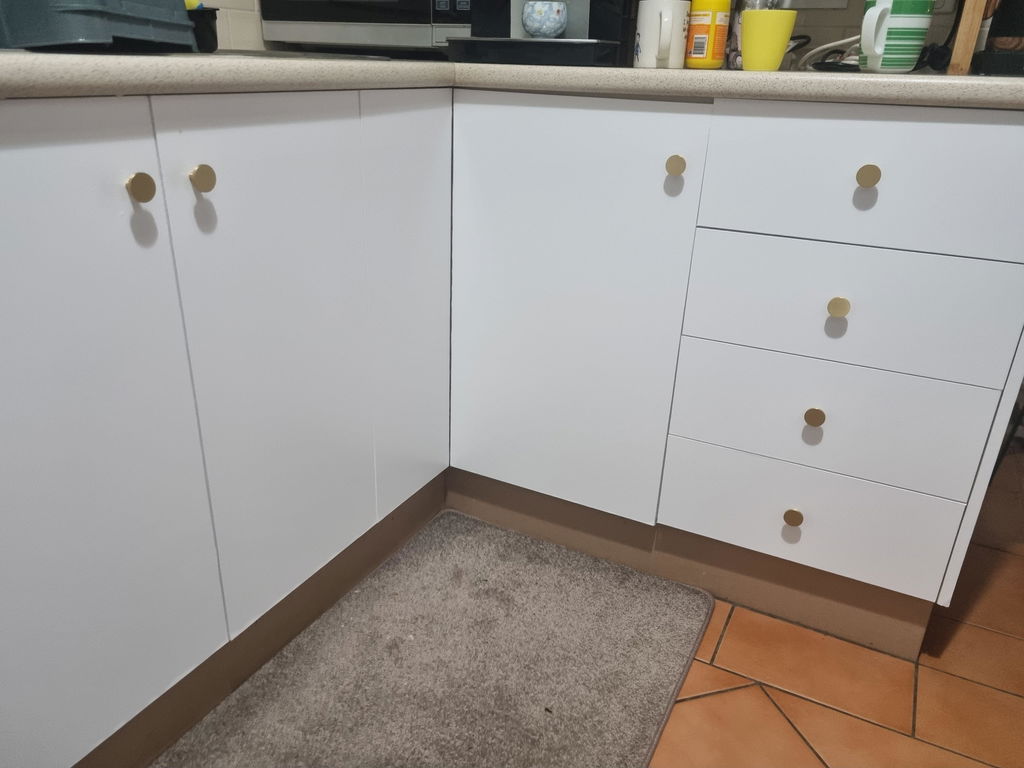
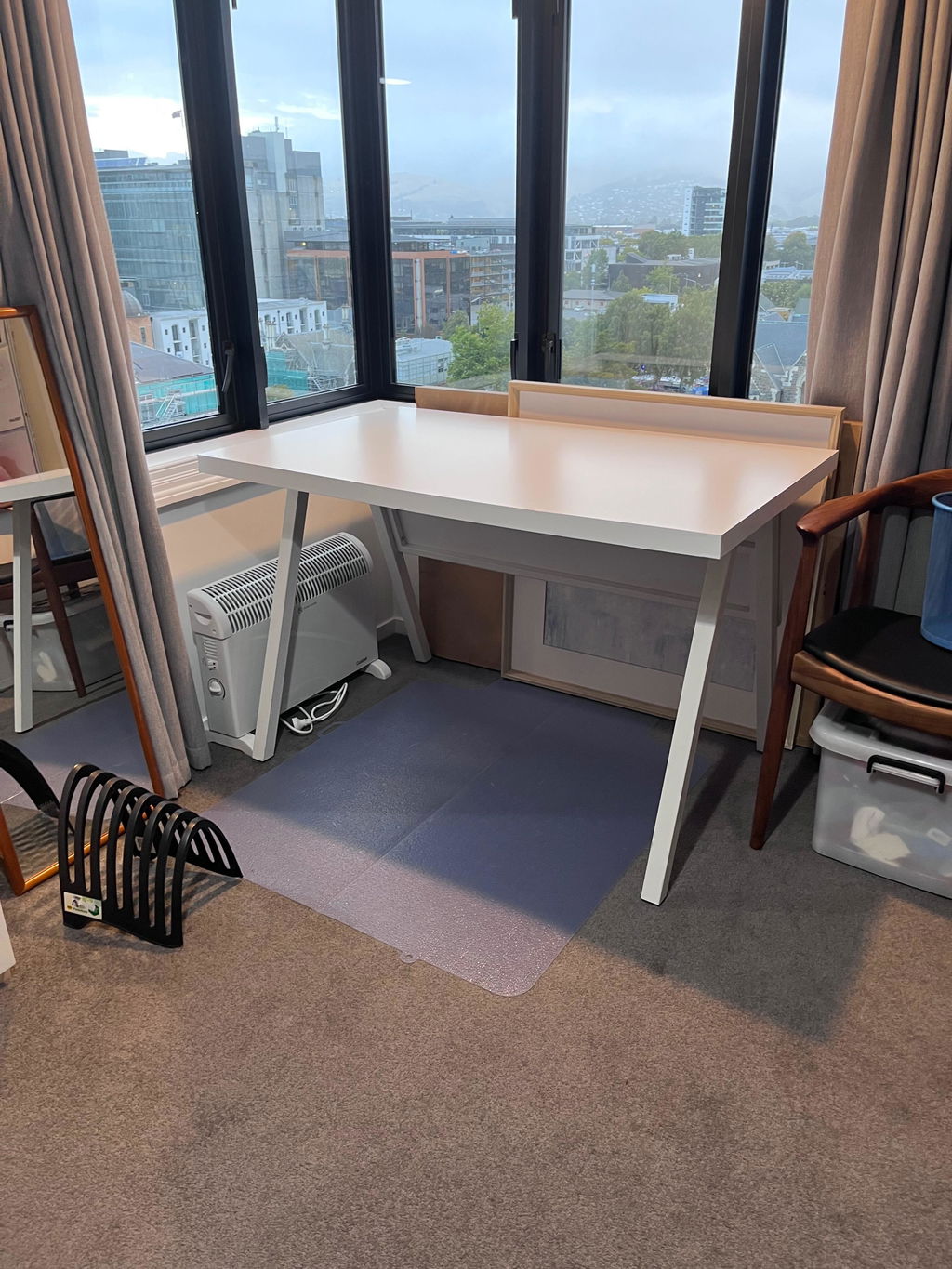
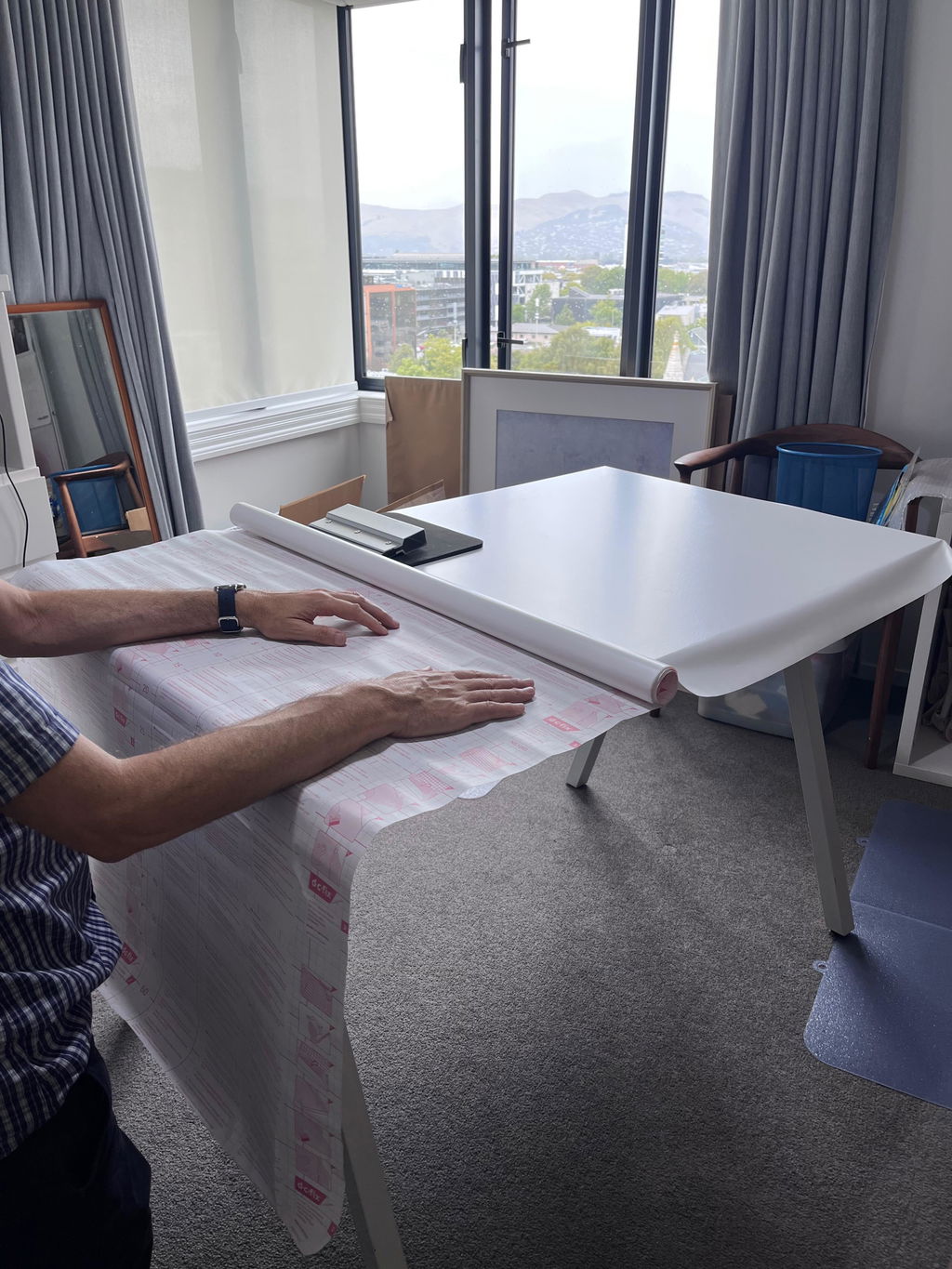
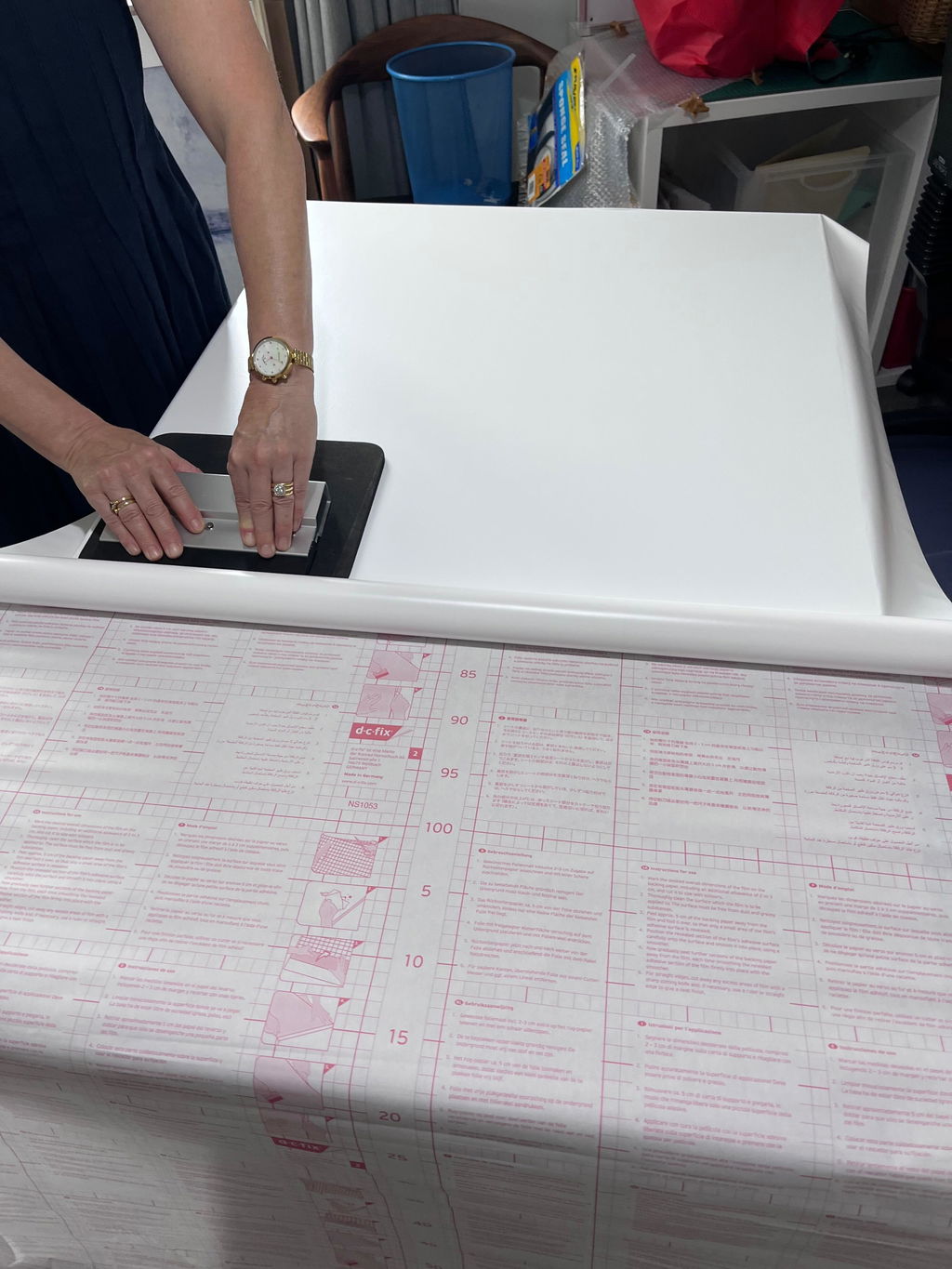
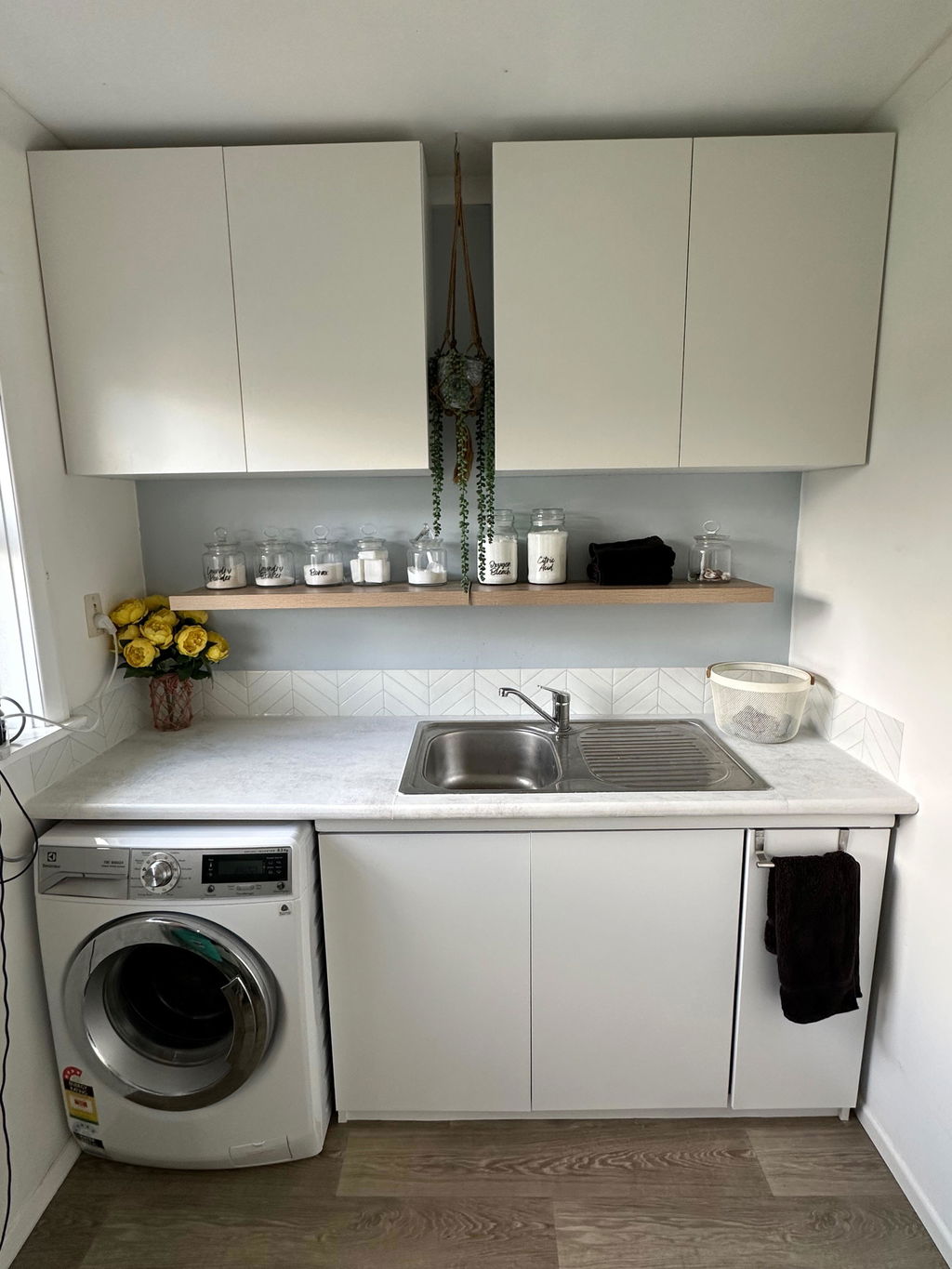
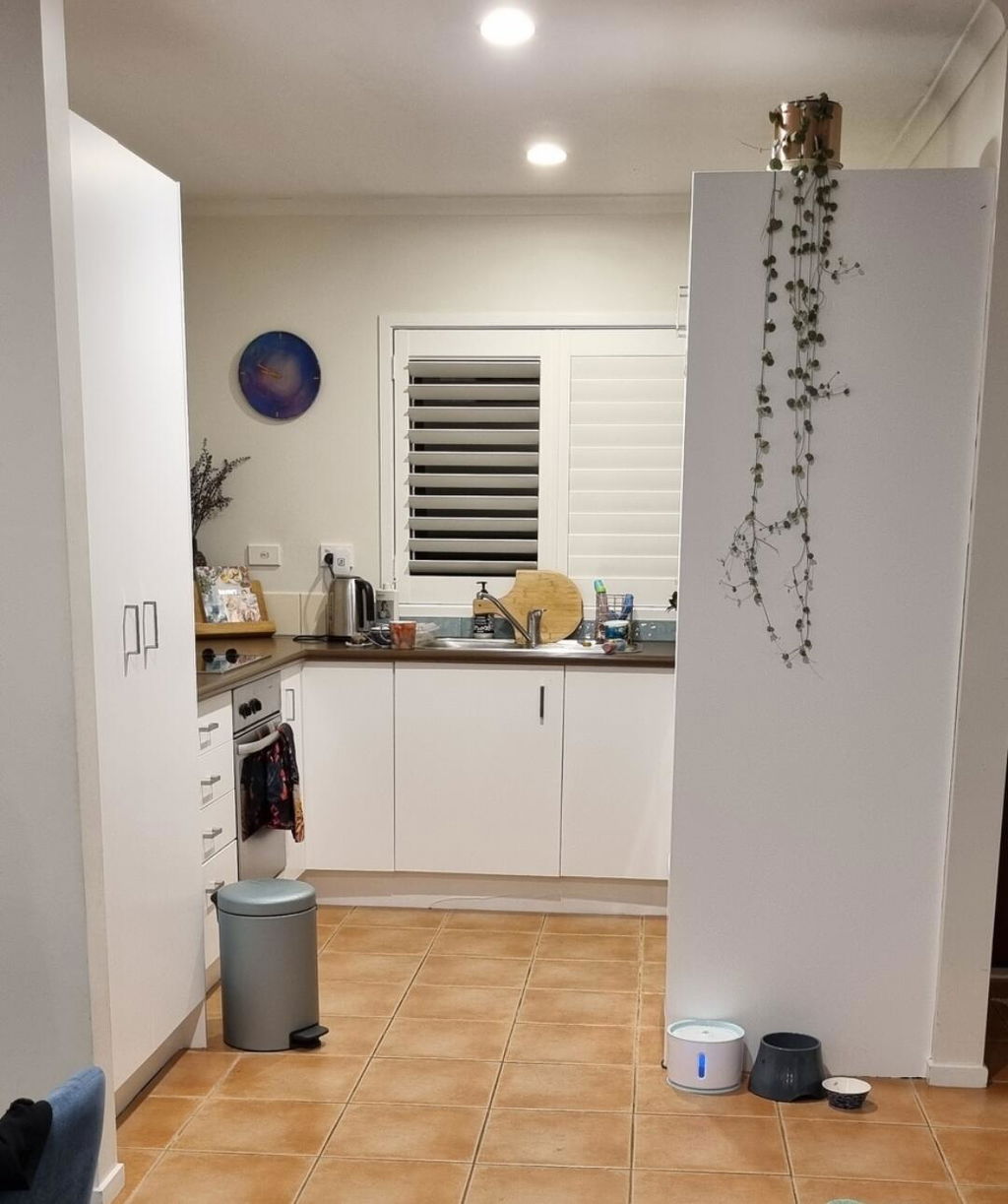
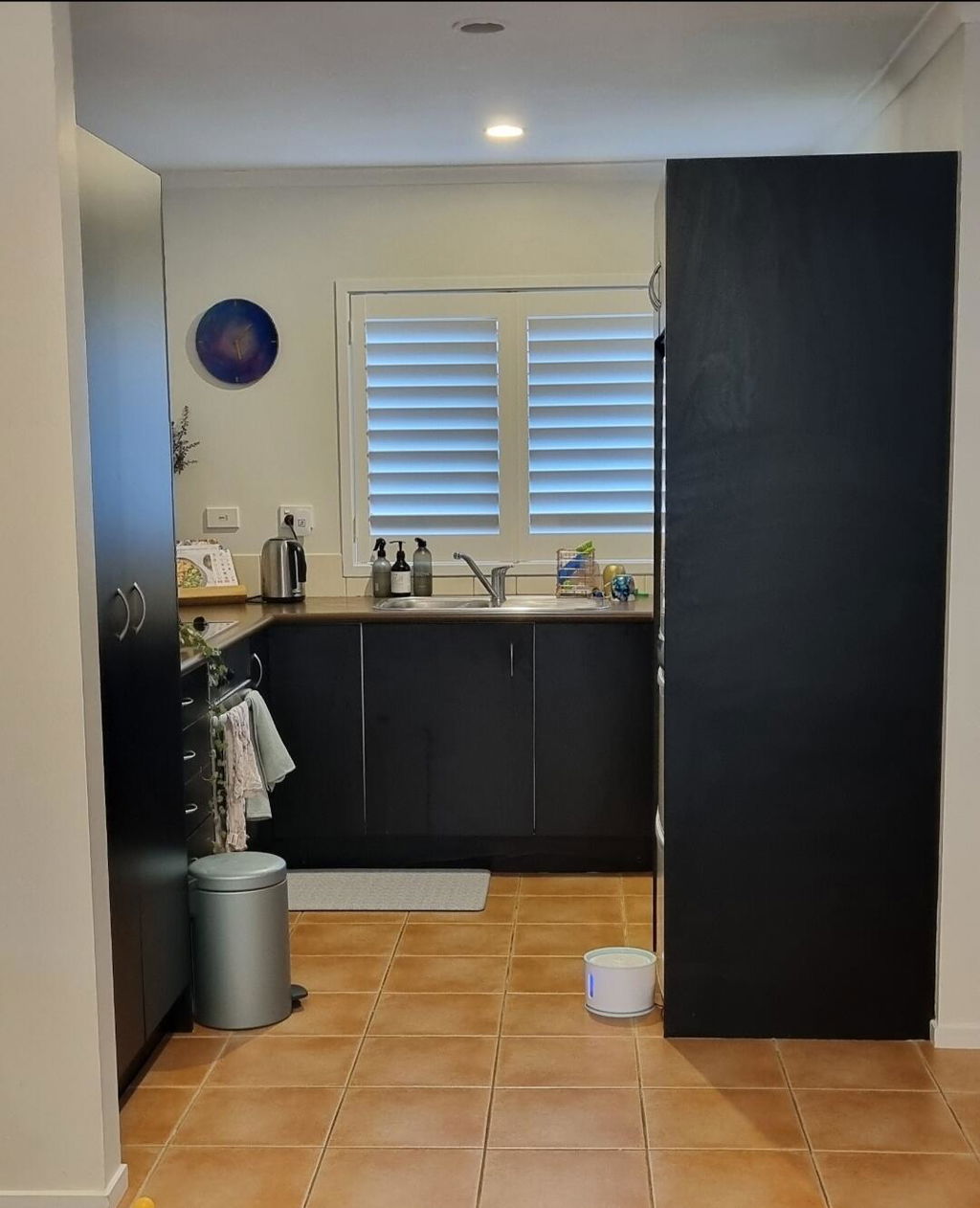
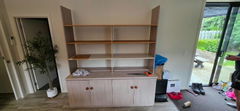
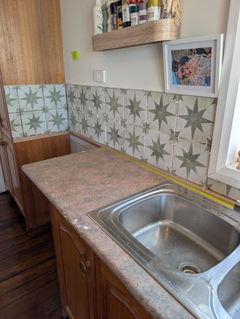
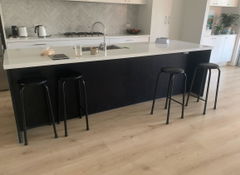
Adhesive vinyl film can be installed on clean, dust-free, grease-free, and smooth flat surfaces like:
- Laminate and melamine
- Smooth sealed wood or veneer
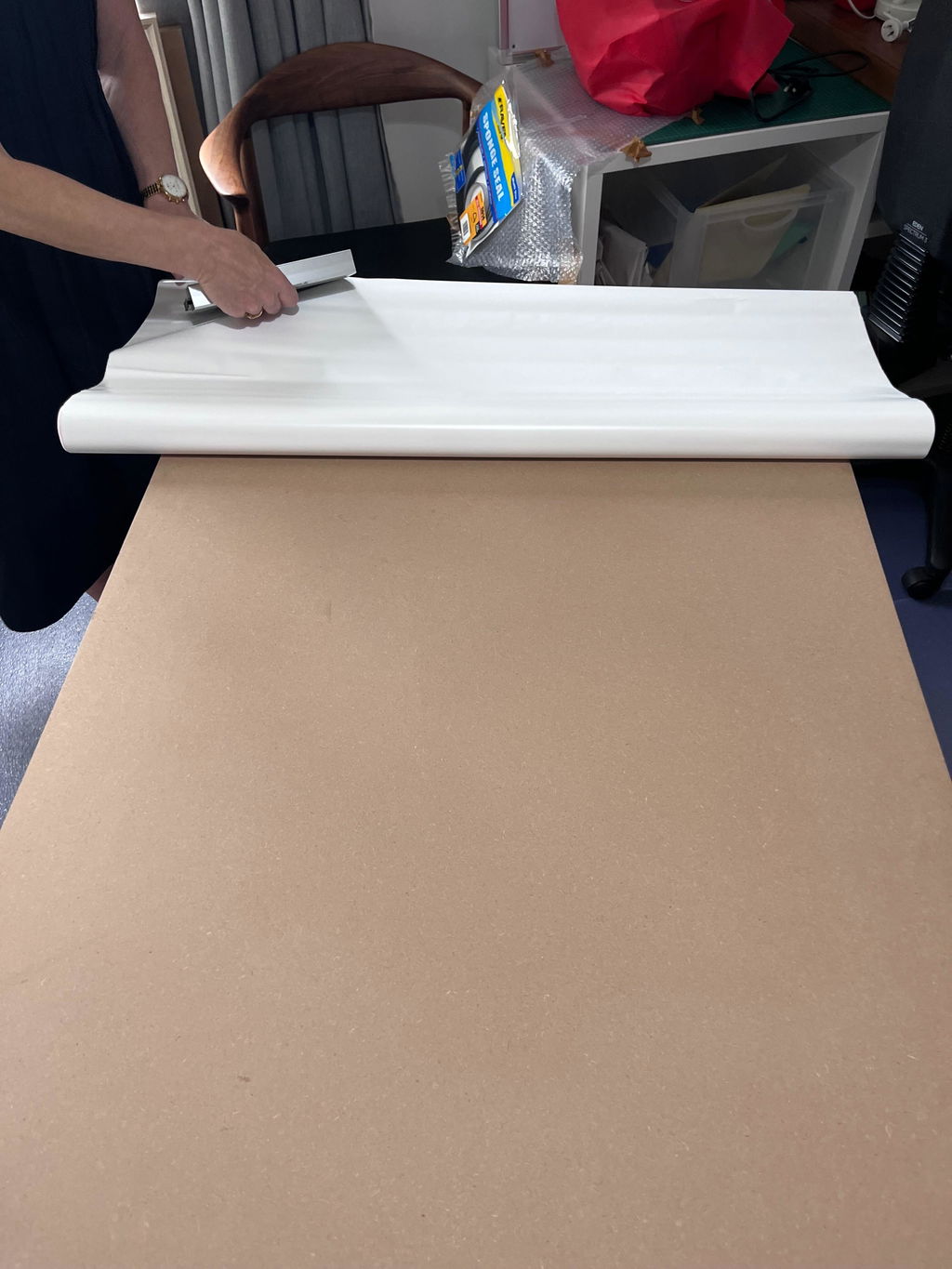
- Primed or painted MDF
- Painted plasterboard / GIB (after full curing time - several weeks)
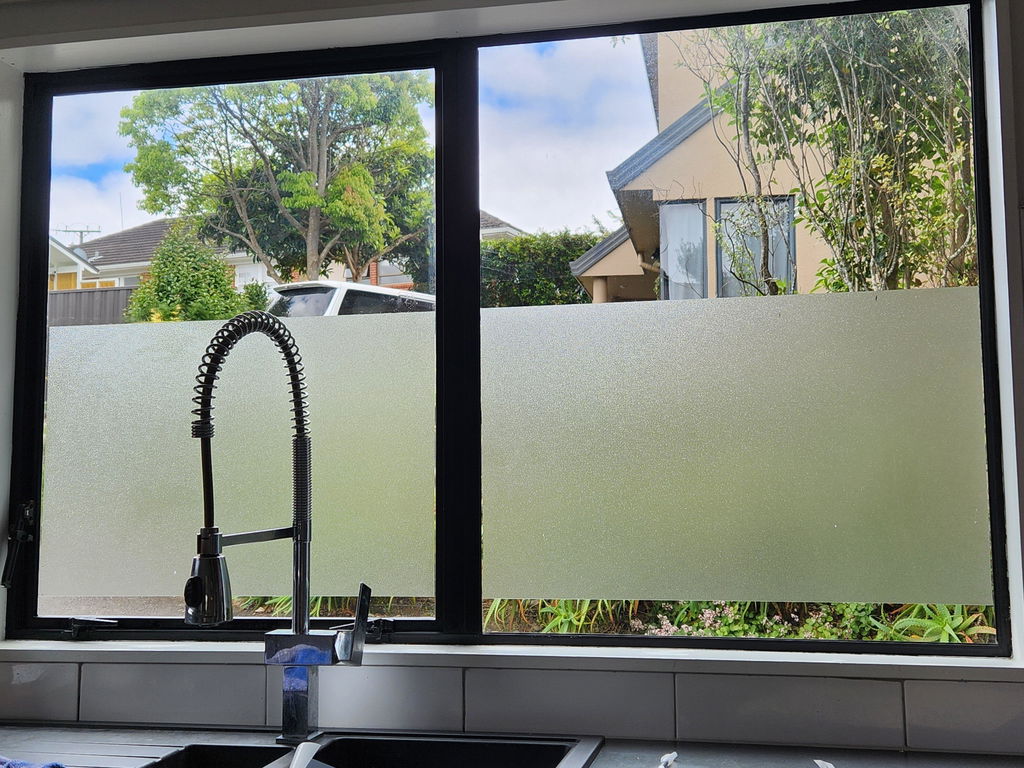
- Flat glass and mirrors (install with soapy water recommended)
- Smooth metal (e.g., stainless steel, aluminium)
- Hard, smooth plastics (acrylic, PVC)
- Polished stone and marble
Not suitable surfaces
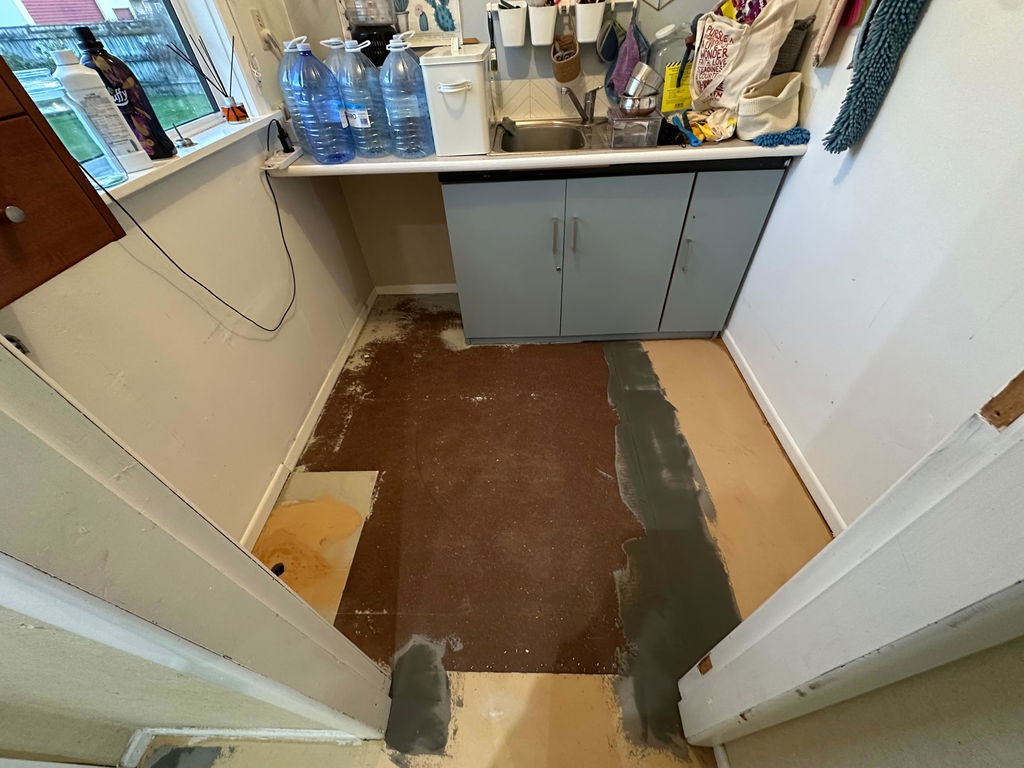
It is not recommended to install adhesive vinyl film on surfaces that are uneven, untreated, textured, or porous, such as:
- Raw concrete, masonry, or rough cement render
- Untreated or raw wood, plywood, and chipboard
- Unsealed or unpainted plasterboard (raw GIB)
- Brick or rough stone walls
- Textured walls (orange peel, knockdown, rough plaster, or stipple)
- Deeply embossed, frosted, or patterned glass
- Textured or peeling wallpaper
- Damp, chalky, dusty, or crumbling surfaces
- High-wear floor areas
- Architectural composite panels or materials finished with fluorocarbon (PVDF), silicone, or "easy-clean" stain-resistant coatings, as these actively repel adhesives
Important curing notice: If your surface has been recently painted or treated with primer/sealer, ensure it has completely cured before applying adhesive vinyl (typically 3–4 weeks for standard paints). Do not rely on "quick dry" or "recoat" labels on the paint tin—those times refer to when it is safe to apply another layer of breathable paint, whereas sealing the surface under an airtight adhesive film requires the paint to fully off-gas and cure to avoid bubbling or adhesive failure.
Can’t find your surface on the list?
If you are unsure whether your specific wall, cabinet, or project surface is suitable, please reach out to our customer service team before installing. We're happy to advise or help determine if priming or preparation is required.